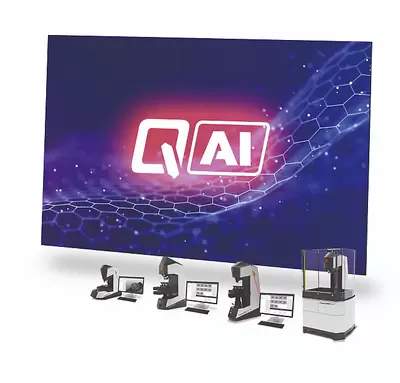

QAI is an AI-powered image evaluation solution integrated into Qpix Control2 software for automated hardness testing. Designed for Vickers, Knoop, and Brinell methods, it automatically detects and evaluates hardness test indentations with high accuracy—even on low-contrast, rough, or etched surfaces. QAI improves measurement consistency, increases automation, reduces manual intervention, and operates entirely offline to ensure data security and reliable, repeatable results.
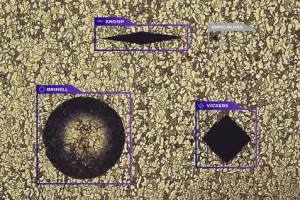
Discover the future of hardness testing with our groundbreaking AI integration, QAI. Our technology sets new standards in precision and efficiency by utilising cutting-edge AI models specifically designed for the challenges of Vickers, Knoop and Brinell hardness testing. The QATM quality standard and the ability to guarantee increased performance through retraining make QAI second to none in the industry.
Experience a level of automation never seen before: our AI automatically and accurately detects hardness test indentations – even on the most challenging surfaces. Say goodbye to manual intervention and hello to efficiency that paves the way for innovation. With our unrivalled accuracy and success rate, we offer you the ultimate competitive advantage. Revolutionise your hardness testing with our QAI – the future belongs to the pioneers!

This image evaluation is used in all areas of hardness testing, generally increasing the recognition rate, finding indentations in an image, and the quality and accuracy of the evaluation and analysis.
AI-based image evaluation significantly improves the quality of hardness test indentation detection.
The QAI offers greater added value for rough, grinded and etched surfaces. Especially with difficult material surfaces or etched surfaces, the recognition rate could be increased enormously.
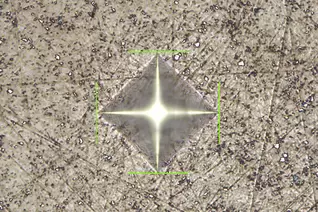
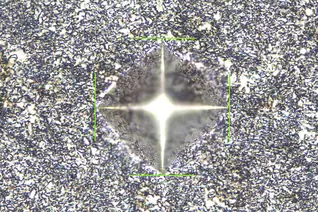
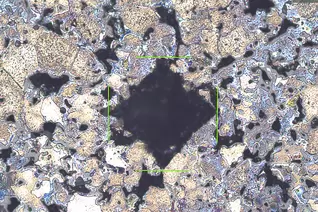
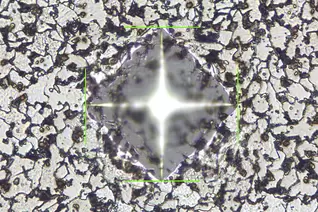
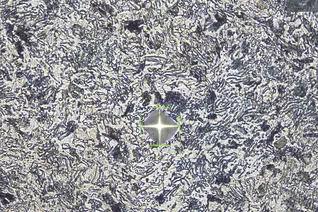
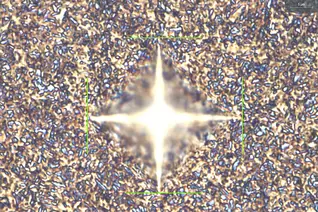
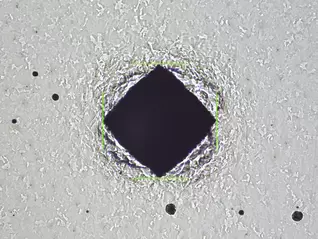
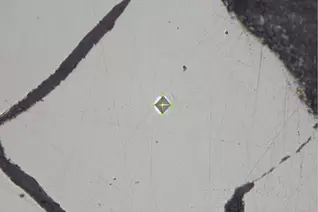
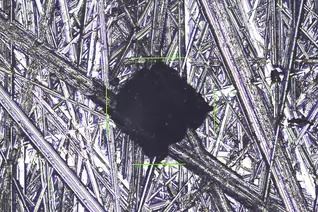
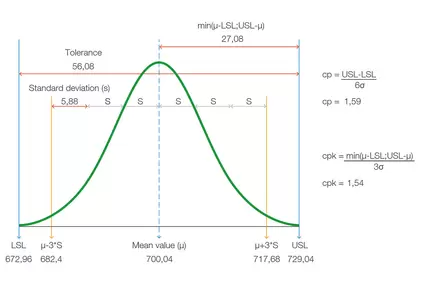
The use of QAI image recognition has also increased the repeatability and systematic deviation of the machine. The accuracy of the evaluation has a major influence on the relative repeatability of the machine.
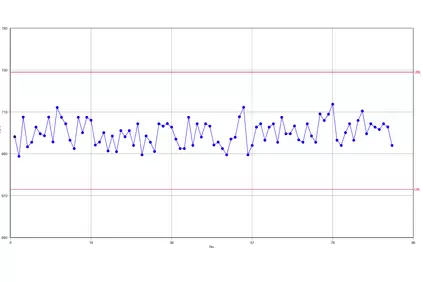
90 Hardness test points on a test block HV1 value 701 HV. The different evaluation modes are carried out on the same 90 indentations.
| Mean value | Range |
| 700,04 | 24,90 |
| Hardness min. | Hardness max. |
| 688,80 | 713,70 |
| Results OK | |
| 5,88 | 90 |